Dinosaur Discoveries
Dinosaur Facts for Kids: How to Spot Your Favourite Dinosaurs
Horns, plates, sails, spikes and very, very big teeth…
How to identify dinosaurs: start with their standout features
Dinosaurs have some of the best accessories in history.
Three enormous horns? Probably a Triceratops.
Huge plates running down the back? Hello, Stegosaurus.
A giant sail? There’s a very good chance you’ve spotted a Spinosaurus.
Learning dinosaur names can seem tricky at first, but once you know a few visual clues, it becomes much easier.
Welcome to the My Dinosaur Universe Dino Spotter’s Guide.
Let’s learn how to identify some of the most famous dinosaurs and prehistoric creatures.
Our colourful characters are playful storybook illustrations. Use the written clues to learn about the real prehistoric animals.
Tyrannosaurus rex
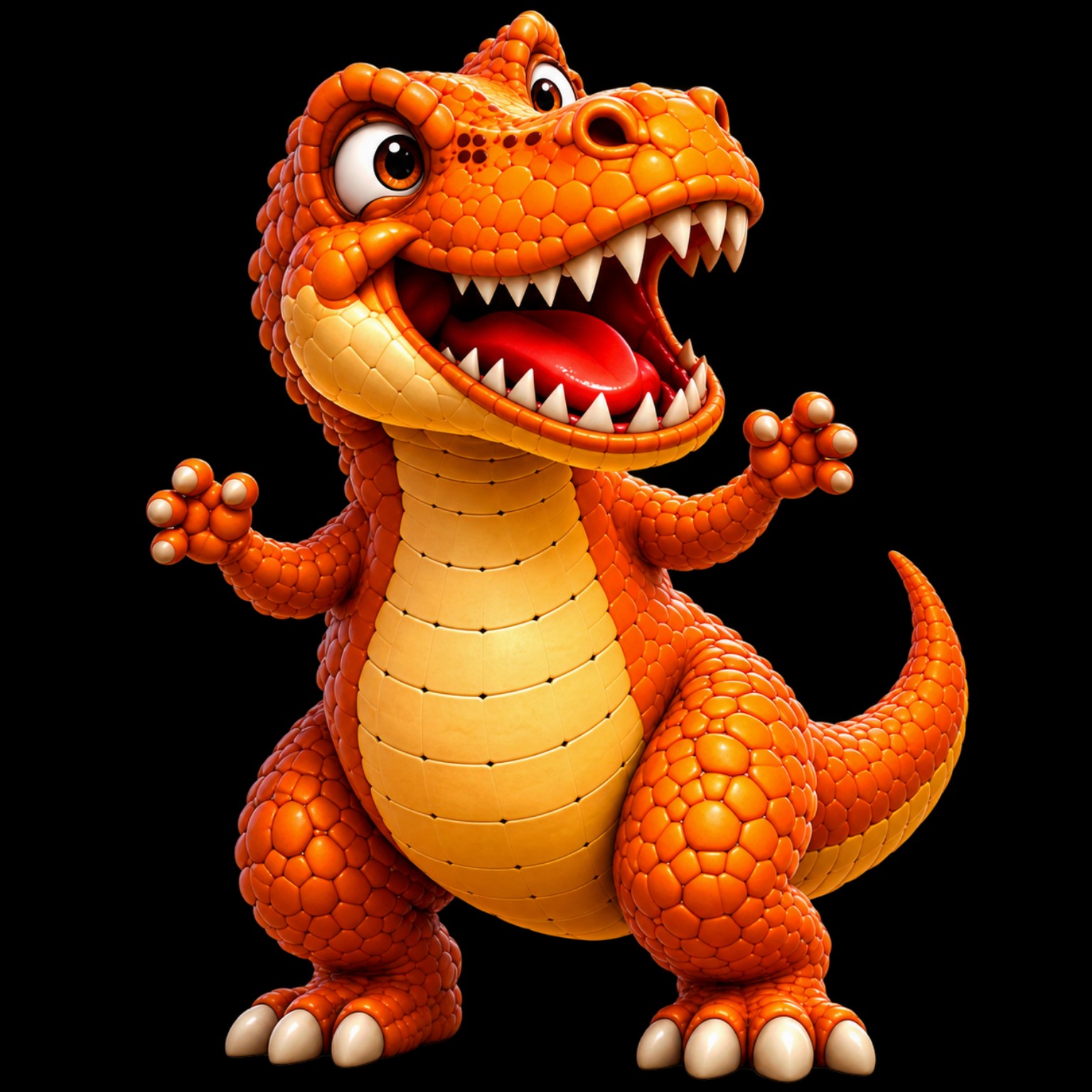
How to identify a T-Rex
Look for:
- Huge head
- Enormous teeth
- Tiny arms
- Powerful back legs
Tyrannosaurus rex, better known as T-Rex, might be one of the easiest dinosaurs to recognise.
It had an enormous skull packed with thick, powerful teeth and two famously tiny arms.
Those little arms may get all the attention, but T-Rex also had incredibly strong hind legs and a huge tail that helped balance its body.
My Dinosaur Universe connection
Our T-Rex might have fearsome teeth… but he’d much rather use his feet for dancing.
Meet T-Rex in Dinosaur DiscoTriceratops
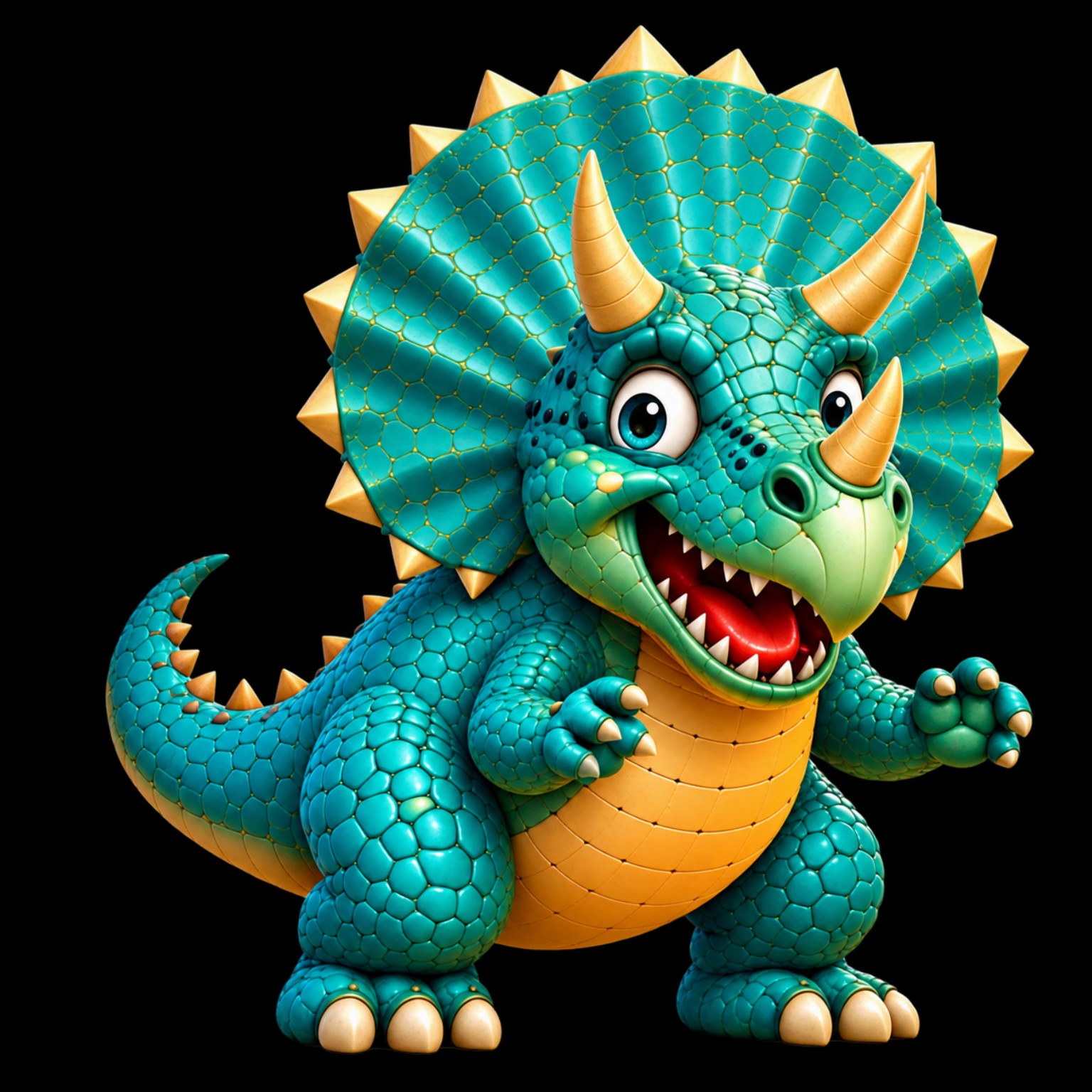
How to identify a Triceratops
Look for:
- Three horns
- Huge neck frill
- Four sturdy legs
The clue is hidden in the name.
“Tri” means three.
Triceratops had three horns: two large horns above its eyes and a smaller horn on its nose.
Behind its head was a huge bony frill, making Triceratops one of the most recognisable dinosaurs of all.
My Dinosaur Universe connection
That’s exactly why Tricky the Triceratops is so easy to spot. Three horns and always ready for action.
Meet Tricky in Dinosaur BirthdayAnkylosaurus
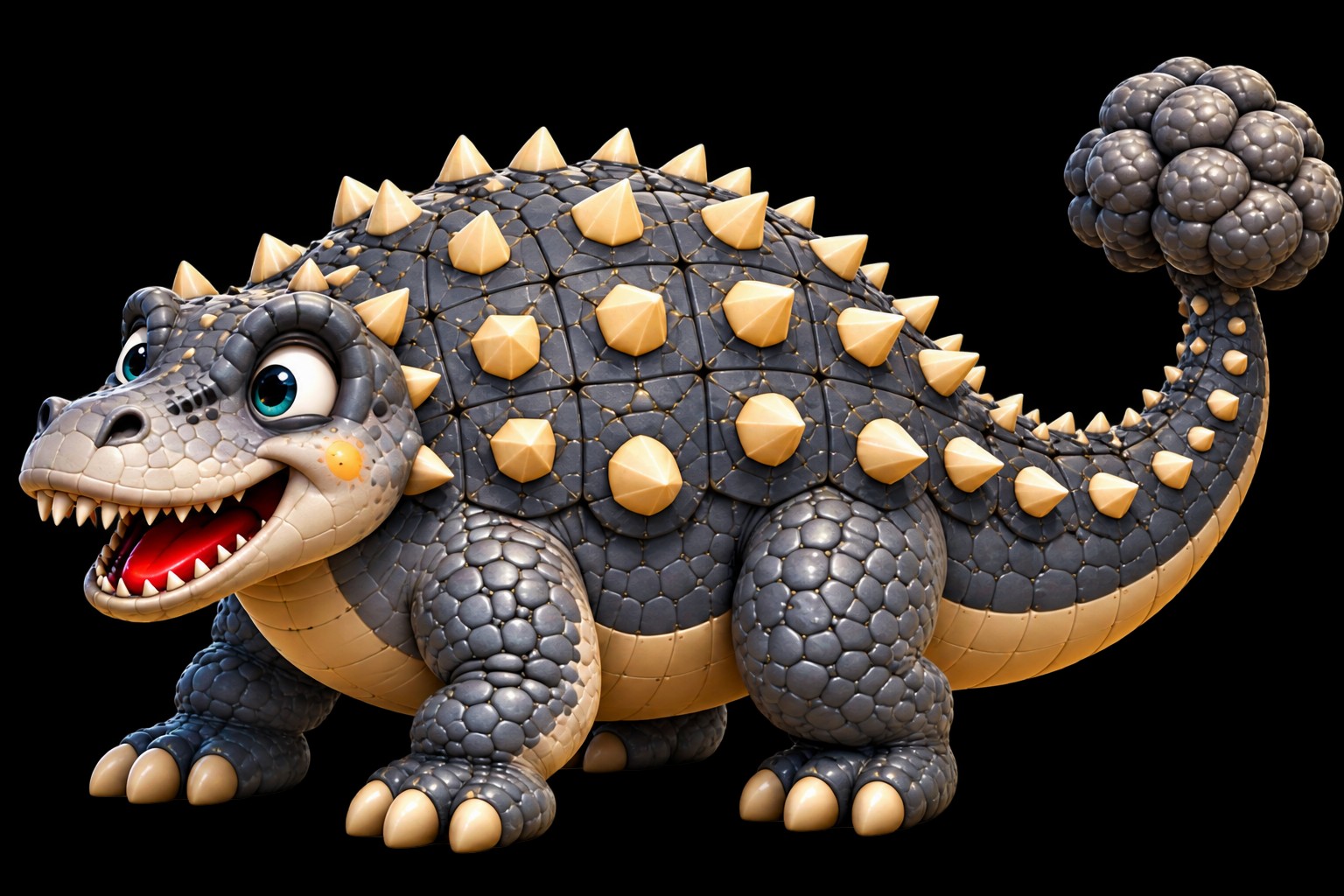
How to identify an Ankylosaurus
Look for:
- Armoured body
- Spikes
- Low body
- Club-shaped tail
Ankylosaurus was basically a prehistoric tank.
Its body was covered in tough bony armour, with protective plates and spikes across its back and sides.
But its most famous feature was at the other end…
a huge tail club.
That heavy tail club could have been used to defend itself against predators.
My Dinosaur Universe connection
You’ll know our Anky by his armoured back, spikes and big club tail. Although he usually causes considerably less trouble with it than a real Ankylosaurus probably did.
Meet Anky in Dinosaur BedtimeStegosaurus
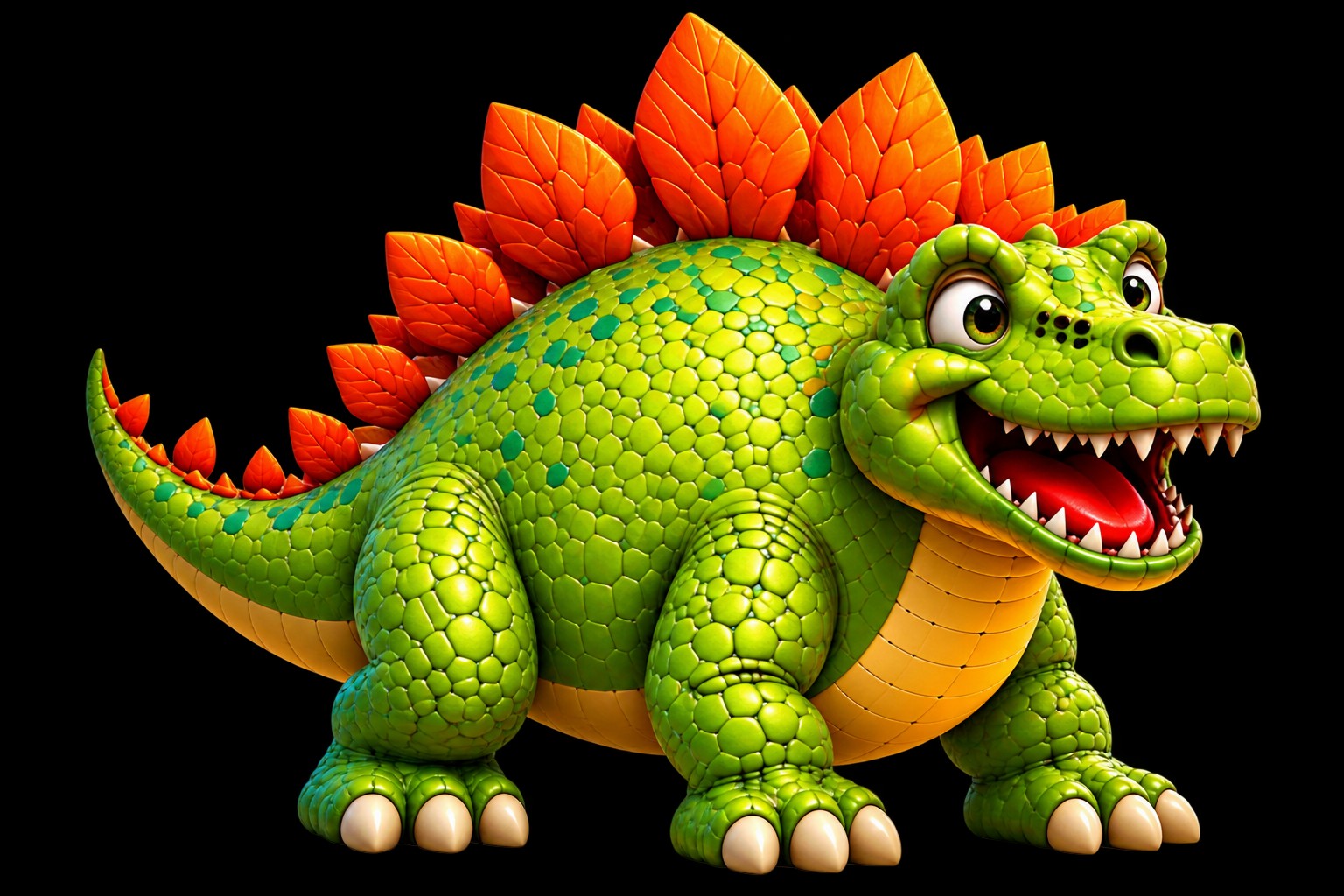
How to identify a Stegosaurus
Look for:
- Huge plates along the back
- Four tail spikes
- Small head
Stegosaurus had one of the most recognisable dinosaur shapes ever discovered.
Running along its back were two rows of large bony plates.
At the end of its tail were four long spikes, sometimes nicknamed a “thagomizer”.
Scientists still discuss exactly what the large plates were used for. They may have helped with display, recognising other Stegosaurus, or possibly temperature regulation.
My Dinosaur Universe connection
Stego’s plates are impossible to miss. Especially when he starts shaking them.
Meet Stego in Dinosaur Fireworks NightSpinosaurus
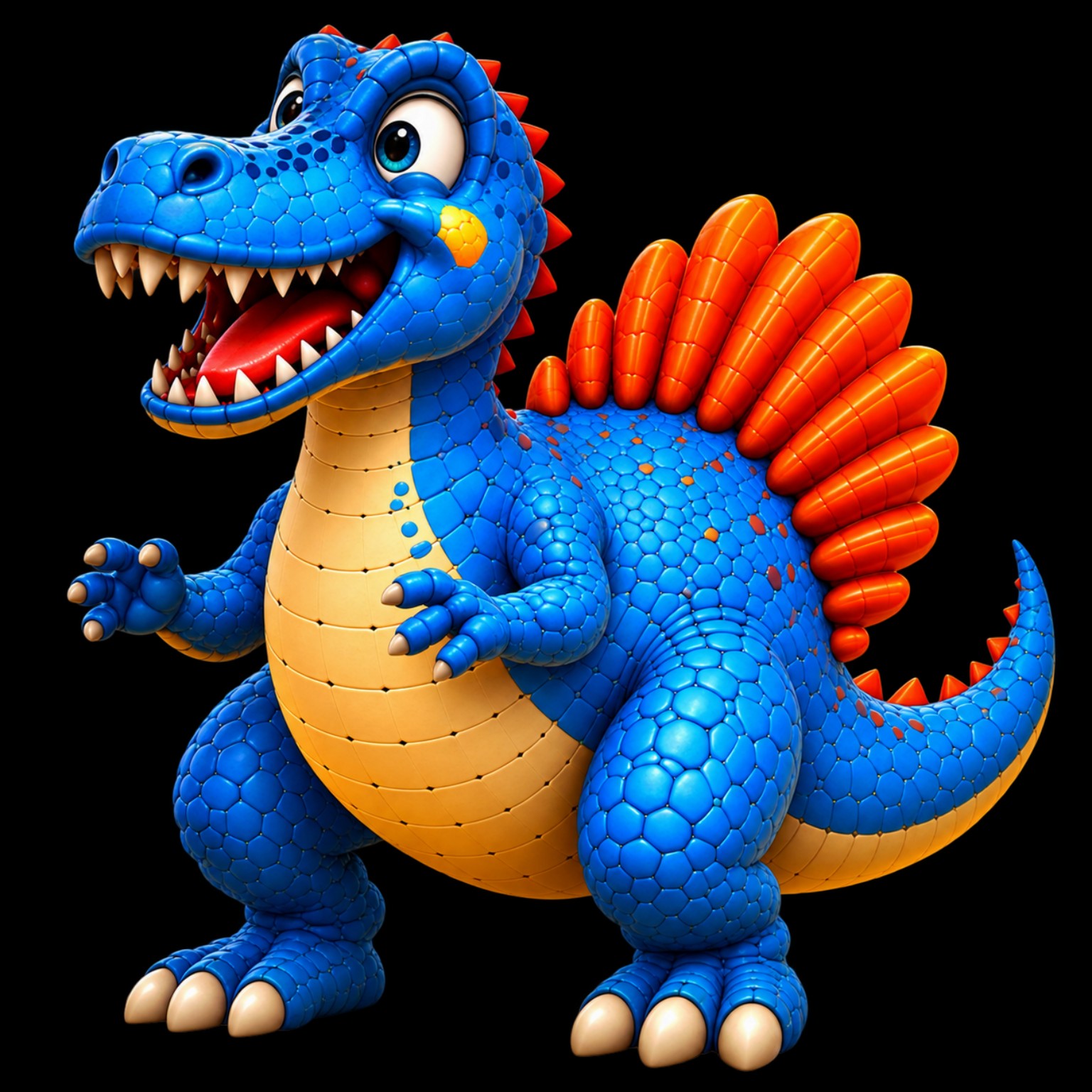
How to identify a Spinosaurus
Look for:
- Huge sail
- Long crocodile-like snout
- Powerful claws
Spinosaurus looked very different from Tyrannosaurus rex.
Its skull was long and narrow, more like a crocodile than the deep, powerful skull of a T-Rex.
But its most famous feature was the enormous structure rising from its back:
the Spinosaurus sail.
Tall bones called neural spines supported this huge sail-like structure.
Spinosaurus is also strongly associated with watery environments and appears to have been well adapted for catching aquatic prey.
My Dinosaur Universe connection
Our Spino likes to keep that sail looking immaculate. Which is impressive considering how incredibly clumsy he can be.
Meet Spino and the dinosaur familyMore dinosaurs and prehistoric creatures to spot
Ready for a few more dinosaur names? Look closely at these prehistoric shapes.
Parasaurolophus
How to identify a Parasaurolophus
Look for the huge curved crest sticking backwards from its head.
That crest was hollow and may have helped Parasaurolophus produce deep sounds.
Brachiosaurus
How to identify a Brachiosaurus
Brachiosaurus had front legs that were longer than its back legs, giving its body a distinctive upward slope towards the shoulders.
Its long neck helped it reach vegetation high above the ground.
If you see an enormous dinosaur reaching towards the treetops, Brachiosaurus is a good guess.
Mosasaurus
How to identify a Mosasaurus
First, an important dinosaur fact:
Mosasaurus was NOT actually a dinosaur.
It was a giant marine reptile that lived in the oceans during the Late Cretaceous.
If your prehistoric creature looks built for the ocean rather than the land, you may have found a Mosasaurus.
Velociraptor
How to identify a Velociraptor
The real Velociraptor was much smaller than the giant versions many people remember from films.
It also had feathers.
One of its most recognisable features was the large curved, sickle-shaped claw on each foot.
Carnotaurus
How to identify a Carnotaurus
Carnotaurus has one particularly brilliant identifying feature:
two horns above its eyes.
It also had a deep skull, powerful legs and extremely small arms.
Its name means “meat-eating bull”, which makes those horns feel very appropriate.
Carnivore, herbivore or omnivore: what did dinosaurs eat?
Dinosaurs didn’t all eat the same foods.
One easy way of learning about prehistoric animals is to group them according to what they ate.
What is a carnivore?
A carnivore mainly eats meat.
Carnivorous dinosaurs often had sharp teeth, strong jaws and bodies adapted for hunting or scavenging.
Carnivores in our Dino Spotter’s Guide
- Tyrannosaurus rex
- Spinosaurus
- Velociraptor
- Carnotaurus
- Mosasaurus — although remember, Mosasaurus was a marine reptile rather than a dinosaur.
What is a herbivore?
A herbivore eats plants.
Many plant-eating dinosaurs had specialised teeth, beaks or mouths for cutting and processing vegetation.
Others developed impressive defences to protect themselves from predators.
Herbivores in our Dino Spotter’s Guide
- Triceratops
- Ankylosaurus
- Stegosaurus
- Parasaurolophus
- Brachiosaurus
And suddenly all those horns, armour, spikes and enormous bodies start to make sense.
If you weren’t planning to eat the T-Rex… you needed another way of persuading him to leave you alone.
What is an omnivore?
An omnivore eats both plant material and animal-based food.
Humans are omnivores, and some prehistoric animals appear to have eaten a varied diet too.
None of the main dinosaurs in our Dino Spotter’s Guide above are usually placed firmly in the omnivore category.
Some dinosaurs and prehistoric animals discussed as having more varied or potentially omnivorous diets include animals such as Oviraptor and some other smaller theropod dinosaurs.
Scientists can learn about prehistoric diets by studying teeth, jaws, fossilised stomach contents and even fossilised poo.
Yes.
Dinosaur poo can actually be useful science.
The ultimate dinosaur identification cheat sheet
Can’t remember the dinosaur name? Try this:
- Three horns?
- Triceratops
- Tiny arms and enormous teeth?
- Tyrannosaurus rex
- Armour and a club tail?
- Ankylosaurus
- Big plates and a spiky tail?
- Stegosaurus
- Huge sail and long snout?
- Spinosaurus
- Long backwards head crest?
- Parasaurolophus
- Enormous long neck?
- Brachiosaurus
- Flippers and giant ocean jaws?
- Mosasaurus
- Feathers and a curved foot claw?
- Velociraptor
- Two horns above the eyes?
- Carnotaurus
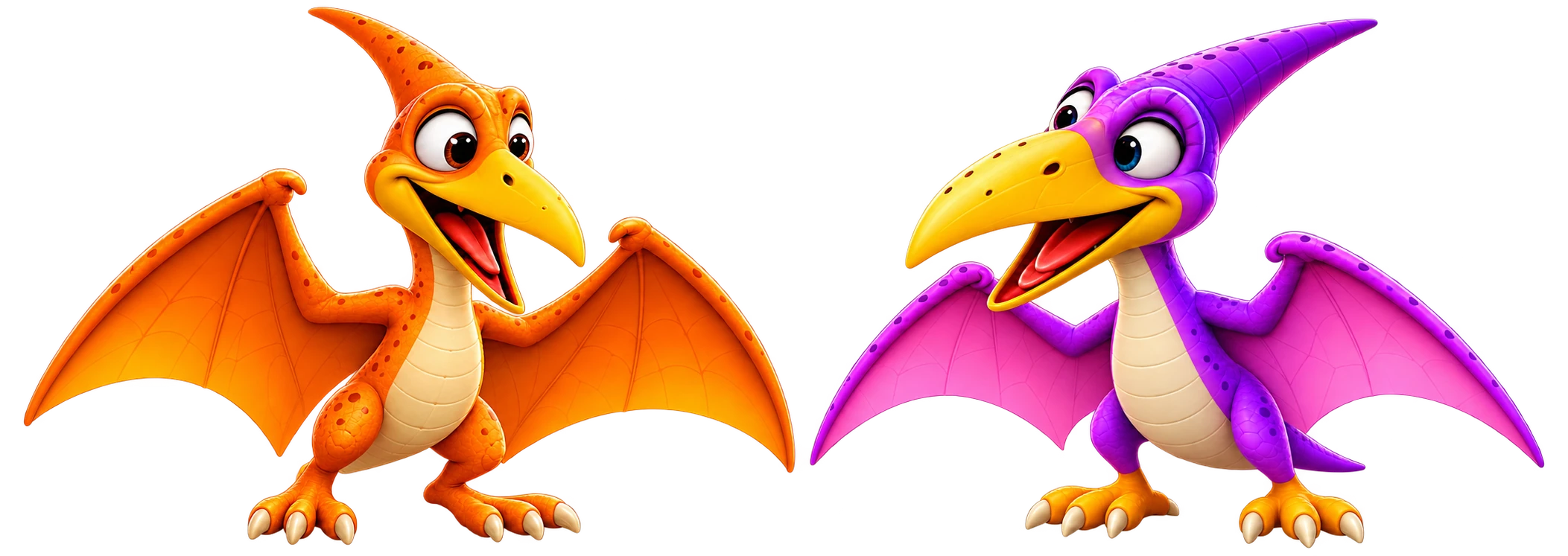
Spotted a prehistoric flyer? Discover the difference between Pterodactyl and Pteranodon.
Making dinosaur facts fun
One of the wonderful things about dinosaurs is how quickly children can learn surprisingly complicated dinosaur names once they have something visual to connect them to.
A Triceratops isn’t just a long word. It becomes: “The one with three horns.”
Stegosaurus becomes: “The one with the plates.”
Spinosaurus becomes: “The one with the sail.”
And Ankylosaurus? “The armoured one with the massive tail.”
That’s one reason we deliberately keep recognisable dinosaur features throughout My Dinosaur Universe.
The stories come first.
But if children happen to learn a few dinosaur facts while they’re laughing along with T-Rex, Tricky, Anky, Stego and Spino… even better.
Because learning is much more fun when it doesn’t feel like learning.
Explore our dinosaur picture books for ages 2 to 7, or return to all articles.
Explore the real animals further in the Natural History Museum’s Dino Directory and its guide to Velociraptor and its feathers.